Biotech Is Booming…But Are Graduates Ready?
The biotech and life sciences sectors in the Netherlands are growing at an impressive pace. With hubs like Leiden Bio Science Park and campuses in Utrecht and Groningen, the country is becoming a European leader in biotech innovation.
But as the industry grows, employers increasingly report a gap: many job candidates have the academic credentials degrees in biology, chemistry, or biomedical sciences but lack essential regulatory knowledge, especially in areas like GMP (Good Manufacturing Practice) and GLP (Good Laboratory Practice). For job seekers, this isn’t a minor weakness…it’s quickly becoming a deal-breaker
What employers seek:
Job postings from major firms often list GMP knowledge, audit handling, and regulatory training as core requirements. Without GMP/GLP on your CV, even PhDs and Masters level candidates frequently fall short.
Degrees vs Industry-Readiness
University programs in biomedical or life sciences focus heavily on research and theoretical knowledge. While this scientific foundation is critical, it often doesn’t prepare students for the real-world demands of regulated biotech environments.
For example:
- Many students don’t know how to document procedures according to regulatory standards.
- They’ve never worked under strict quality systems like GMP or GLP.
- They lack understanding of concepts like CAPAs, traceability, or data integrity.
This isn’t about academic quality. Dutch universities are globally respected. It’s about the missing link between lab science and regulated industry practice.
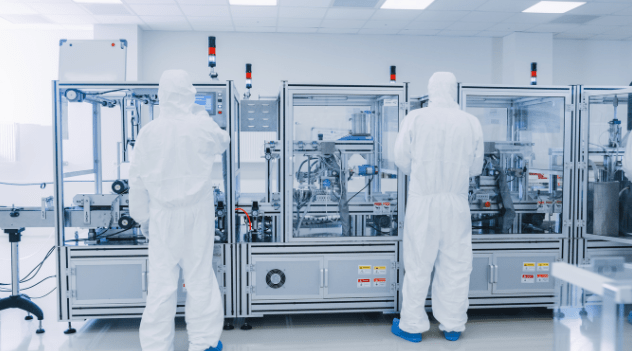
GMP: Beyond Clean Rooms and White Coats
Good Manufacturing Practice (GMP) is a legally binding standard that governs how medicines, biologics, and medical devices are produced. It ensures that products are safe, consistent, and traceable protecting both the patient and the company.
GMP applies to many biotech roles: not just manufacturing, but also QA, QC, validation, and even R&D if product development is involved.
Key aspects of GMP include:
- Strict SOP (Standard Operating Procedure) compliance
- Document control and batch records
- Validation of equipment and processes
- Change management and deviation handling
Understanding GMP isn’t optional anymore. It’s an expected skill for most entry-level and mid-level positions in biotech and pharma.
Why GLP Is Crucial in the Lab?
While GMP applies to production, GLP (Good Laboratory Practice) governs how non-clinical lab studies are conducted. Think toxicology, safety pharmacology, and chemical analysis studies that directly inform regulatory decisions.
GLP ensures:
- Reproducibility: Any lab should be able to repeat your study with the same results.
- Traceability: Every sample, instrument, and change must be recorded.
- Credibility: Regulatory agencies must trust the data supporting new drugs or devices.
In real lab settings, GLP shows up in daily actions:
- Pipettes must be calibrated and documented.
- Changes to protocols require formal review.
- Data must be logged in real time, no post-facto edits.
Many students unknowingly develop bad habits in unregulated academic labs. These habits don’t translate well into industry roles where non-compliance can result in failed audits or rejected studies.
Employers Notice the Gap
Hiring managers across Dutch biotech companies are clear: regulatory understanding is often missing from the CVs of even talented graduates.
Some examples from job listings:
- “Familiarity with GMP regulations required”
- “Experience working in GLP environment preferred”
- “Strong understanding of documentation and data integrity processes”
Even internships and junior roles now list GxP (GMP/GLP) awareness as a must-have or strong advantage.
Why GxP Knowledge Future Proofs Your Career?
Knowing how to operate under GMP or GLP doesn’t just open doors, it helps you stay employable as you grow.
Here’s why GxP experience gives you an edge:
- You can switch between lab, QA, and production roles
- You’ll understand how your work fits into the broader regulatory process
- You’ll qualify for more advanced jobs earlier in your career
- You’re less likely to make compliance errors that stall your growth
As biotech companies scale, they need people who understand both science and systems. GxP-trained employees are seen as more trustworthy, reliable, and promotable.
So Why Isn’t This Taught More Widely?
Despite how critical GMP and GLP are, most Dutch universities offer little to no formal training in these areas.
Students may hear about them in passing, maybe during a thesis or internship but they rarely:
- Practice writing a deviation report
- Learn about equipment validation
- Understand how inspections work
- Get tested on data integrity scenarios
This gap means that even talented, motivated graduates often feel unprepared when entering industry roles.
The Need for Accessible, Targeted Training
There’s clearly demand for employers, employees, and students alike.
But high-quality, accessible training in GMP and GLP remains hard to find, especially online or in Dutch. Many professionals only receive this training after they’re hired, and often at great expense and time.
That raises the question:
What if training in GMP and GLP was available earlier, before the first job application?
What if young professionals could gain practical, job-relevant knowledge that helped them stand out immediately? That’s where things need to change.
Help Shape the Future of Biotech Training
Are you a student, early-career scientist, or job seeker in biotech or life sciences?
We’re exploring the development of a practical, affordable online course focused on GMP, GLP, and industry readiness tailored for the Dutch biotech and medtech market.
Let us know:
- Would you take this kind of course?
- What topics are you missing?
- What would help you feel job-ready?
Final Takeaway
In 2025 and the coming years, knowing GMP and GLP isn’t a bonus, it’s a requirement! If you want to stand out in biotech or medical devices, it’s no longer enough to know the science. You need to know the system.
Understanding how quality, compliance, and regulation affect your day-to-day work will make you a better scientist and a more valuable professional.
Whether you’re applying for your first role or preparing for a promotion, GxP knowledge can be the factor that sets you apart.

 BioSkillsCore